
Down syndrome
Speech, Language & Feeding Therapy for Children with Down Syndrome
Children with Down syndrome often understand much more than they can say. Speech, language and feeding therapy helps them build words, speak more clearly and enjoy mealtimes. Fisher-Jost Therapy supports children with Down syndrome from infancy through the teen years in Frankfort, Mokena, Manteno and nearby.
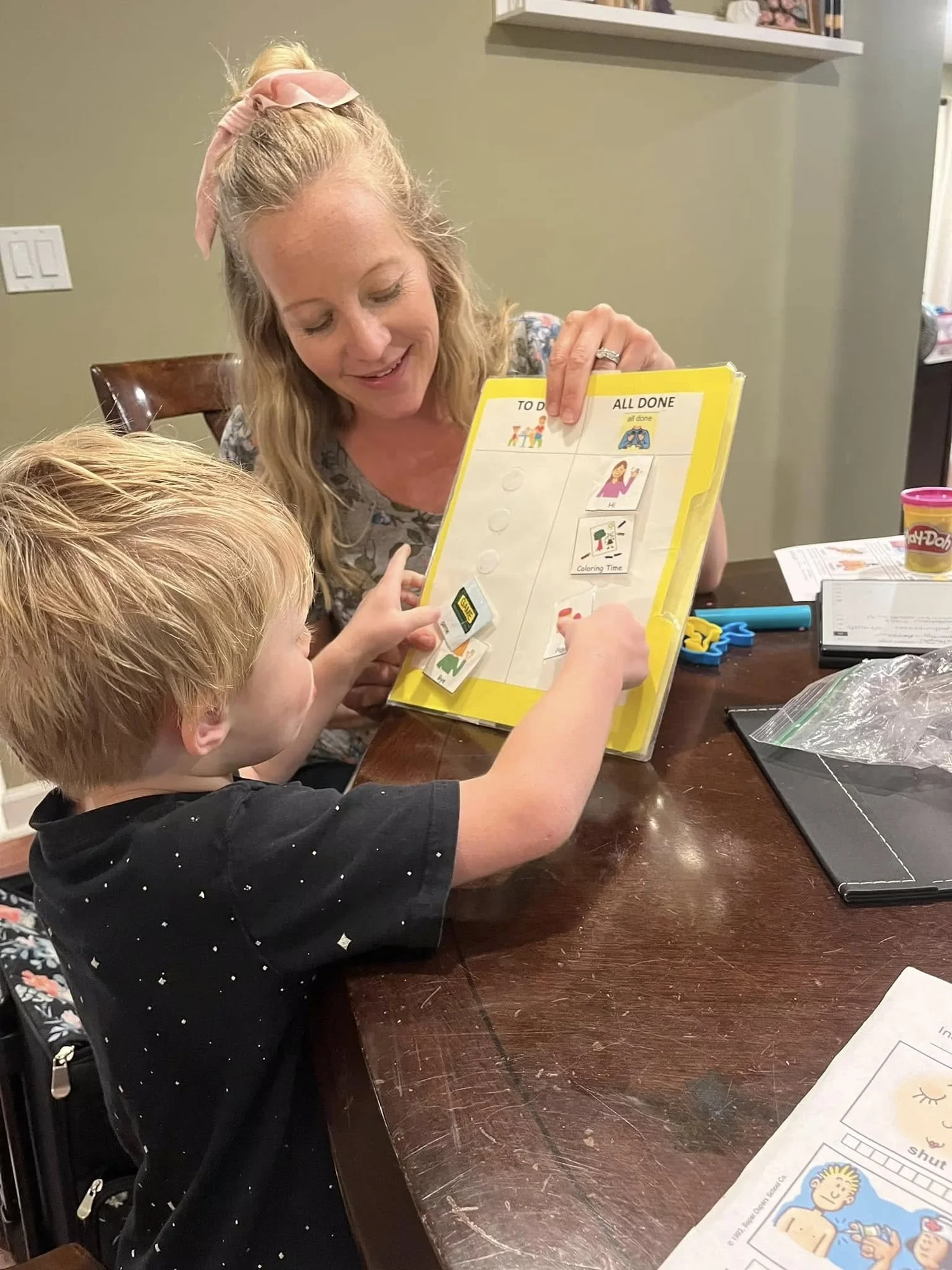
How Down syndrome can affect communication
Lower muscle tone, differences in the mouth and jaw, and frequent ear infections or hearing changes can all make speech harder. Many children with Down syndrome are eager communicators who understand far more than they can say, so we work on both: growing language and giving your child ways to express it.
What we work on
How therapy can help
- Early communication: eye contact, gestures, signs and first words
- Building vocabulary and longer sentences
- Speech clarity, so more people understand your child
- Feeding: sucking, chewing, cup and straw drinking, and new textures
- Signs, pictures or AAC devices that support speech
- Conversation, social language and school-readiness skills
It's never too early, or too late
Communication support can start in infancy, well before first words. Early work on feeding, play, gestures and listening lays the groundwork for speech. School-age children and teens keep making progress too, so it's never too late to start.
How we work
Your therapist will:
- Build short, playful activities around your child's interests
- Use lots of visual support, signs and repetition
- Coach you with simple ways to practice during daily routines
- Work on feeding and speech together when needed
- Coordinate with your child's other therapists, doctors and school team, with your permission
Because hearing changes can affect speech, we keep an eye on listening too, and will suggest a hearing check with your audiologist if we notice concerns.
-
As early as possible. Communication and feeding support can start in infancy, well before first words, and children keep making progress through the school years and beyond.
-
No. Signs, pictures and speech-generating devices support language and often help spoken words come along. Many children use them as a bridge to talking.
-
Yes. Many children with Down syndrome have trouble with sucking, chewing, drinking from a cup or straw, or moving to new textures. One therapist can work on feeding and speech together.
-
No. We grow our team as needed so families can start without waiting.
Down syndrome FAQs
Related: Language therapy · Feeding therapy · Autism & AAC
Ready to talk about your child?
Book a free phone screening. We'll listen, answer your questions, and help you decide on next steps.